Backyard Renovation Ideas for a Beautiful Outdoor Space
James Anderson
Editorial Contributor
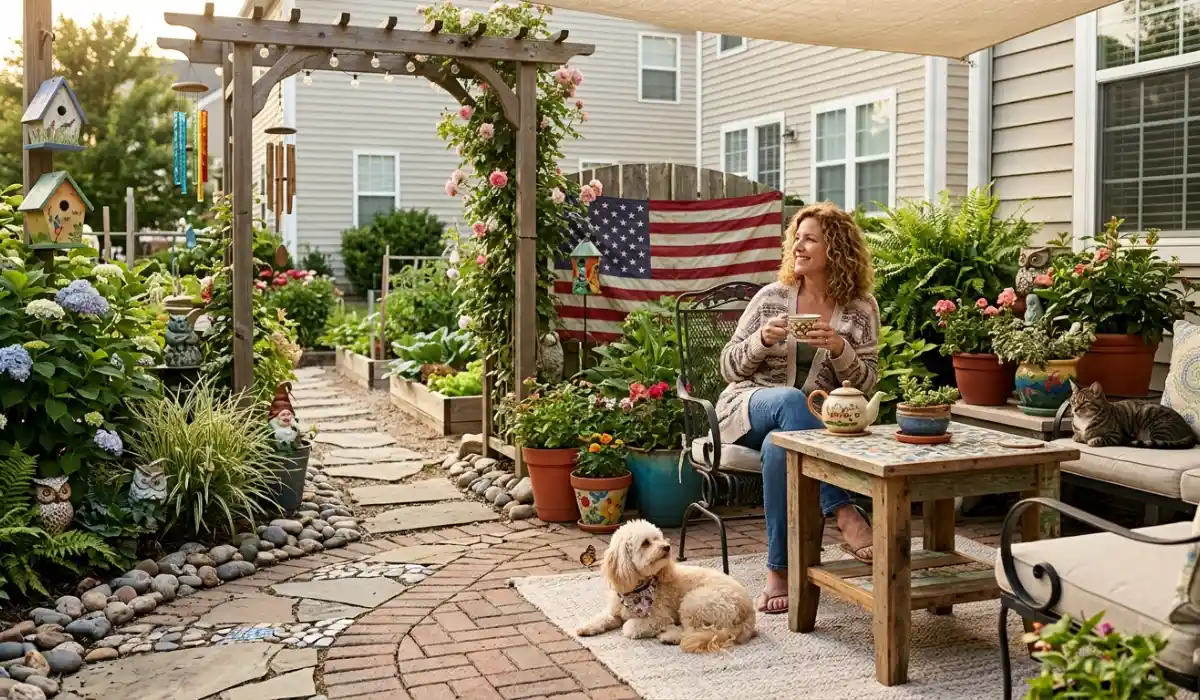
The best backyard renovation ideas begin with understanding how you actually use your outdoor space. Instead of adding random features, start by deciding whether the yard should function primarily as a relaxing retreat, entertaining area, garden, play space, dining zone, or a combination of several purposes.
A successful renovation also needs to work with the existing property. Sun exposure, drainage, soil conditions, privacy, access to the house, maintenance requirements, and local weather can all influence which improvements make sense. With thoughtful planning, even a modest yard can become comfortable, attractive, and significantly more useful.
Start With a Practical Backyard Renovation Plan
Before choosing furniture, plants, paving, or decorative features, examine the backyard as a complete system. Mark existing trees, fences, utility access points, slopes, drainage routes, doors, windows, and areas that receive the most sunlight.
This initial assessment prevents expensive mistakes later. For example, placing a dining area beneath a tree with heavy seasonal shedding may create unnecessary maintenance, while installing paving in a naturally low section of the yard can create drainage problems.
A useful renovation plan should answer four basic questions:
- What will the backyard primarily be used for?
- Which existing features should remain?
- What problems need to be solved first?
- How much maintenance are you realistically willing to handle?
Divide the Yard Into Functional Outdoor Zones
One large open lawn can feel less useful than several connected areas with clear purposes. Consider creating separate zones for dining, lounging, gardening, recreation, and circulation without making the yard feel fragmented.
For example, a paved patio can serve as the central gathering point, while a planting bed softens its edges and a narrow pathway leads toward a quieter seating area. The goal is not to fill every available space but to make movement through the yard feel intentional.
Improve the Layout Before Adding Decorative Features
One of the most valuable backyard renovation ideas is improving the basic layout before spending money on decorative additions. A beautiful fountain or expensive furniture will not solve problems caused by poor circulation, inadequate drainage, or an awkward relationship between the house and yard.
Think about how people naturally move from the kitchen or living room into the garden. The most frequently used route should be comfortable, safe, and visually connected to the main outdoor living area.
Create a Strong Connection Between Indoors and Outdoors
If the backyard is accessed through sliding doors, French doors, or a kitchen entrance, make that transition feel deliberate. Similar colors, complementary materials, and aligned sightlines can make the outdoor area feel like an extension of the home.
A patio positioned close to the main entrance is usually more convenient for everyday dining and entertaining. More private features, such as a reading nook or garden bench, can be positioned farther away to create a sense of discovery.
Upgrade the Patio or Outdoor Living Area
A well-designed patio can become the foundation of a backyard renovation. It provides a stable surface for dining furniture, outdoor seating, grills, planters, and other features while defining the main social area.
Material selection matters because outdoor surfaces experience moisture, temperature changes, dirt, and regular foot traffic. Concrete, porcelain pavers, natural stone, brick, and composite decking each have different installation, maintenance, durability, and cost characteristics.
Choose Outdoor Flooring Based on Real Conditions
Do not select a surface based solely on appearance. Consider whether it becomes slippery when wet, how much maintenance it requires, whether it tolerates freeze-thaw conditions if relevant to your climate, and how easily individual sections can be repaired.
For high-traffic areas, a durable and relatively low-maintenance surface may be more practical than delicate materials. A consistent material palette can also make a small backyard appear more spacious.
Add Comfortable Seating Without Overcrowding the Yard
Furniture should match the scale of the space. Large sectional sofas can make a compact yard feel cramped, while a small bistro set may look lost in a large entertaining area.
Weather-resistant seating made from treated wood, powder-coated metal, outdoor-rated wicker, or other durable materials can provide long-term value. Cushions should ideally be designed for outdoor use and stored properly during severe weather.
Create More Than One Seating Experience
Instead of putting every chair around a single table, consider different seating functions. A dining table can support meals, while a pair of lounge chairs can create a quieter place for reading or conversation.
This approach makes the backyard useful at different times of day. It also prevents one large furniture arrangement from becoming the only destination in the garden.
Use Landscaping to Add Structure and Privacy
Landscaping should do more than make the yard look green. Trees, shrubs, grasses, hedges, and planting beds can define boundaries, screen unwanted views, reduce visual clutter, and create transitions between different outdoor zones.
When selecting plants, consider mature size rather than their appearance at the garden center. A plant that looks small today may eventually block windows, interfere with pathways, or require frequent pruning if placed too close to structures.
Build Privacy With Layers Instead of Solid Barriers
Privacy does not always require a tall fence. A combination of shrubs, ornamental grasses, small trees, trellises, and strategically positioned screens can provide visual separation while keeping the landscape more natural.
Layered planting can also soften hard structures. Evergreen plants can provide year-round screening where appropriate, while deciduous trees may offer shade during warmer months and allow more winter sunlight.
Design a Low-Maintenance Garden
A beautiful garden should fit your available time. If you travel frequently or do not want to spend every weekend maintaining plants, choose species suited to your climate and group plants according to similar watering requirements.
Native and climate-adapted plants can often be useful because they are better suited to local environmental conditions. Mulching planting beds can help conserve soil moisture and reduce weed growth, although the correct mulch depth and placement around plant stems are important.
Add a Productive Kitchen Garden
A small kitchen garden can make the backyard more functional without requiring a large area. Herbs, leafy greens, tomatoes, peppers, and other suitable crops can be grown in raised beds, containers, or dedicated planting areas.
Position edible plants where they receive appropriate sunlight and where watering and harvesting are convenient. Raised beds can also improve organization and provide better control over soil conditions.
Solve Drainage and Grading Problems Early
Drainage is one of the most important aspects of backyard renovation that decorative articles often overlook. Water that collects near foundations, patios, retaining walls, or frequently used pathways can eventually cause structural, surface, or landscaping problems.
Observe the yard during or after rainfall if possible. Look for standing water, muddy areas, eroded soil, exposed roots, or water moving toward the house instead of away from it.
Use Permeable and Water-Smart Surfaces
Where appropriate, permeable paving can allow water to infiltrate rather than sending all runoff across a hard surface. Gravel areas, planted sections, rain gardens, and carefully designed drainage channels can also contribute to better stormwater management.
Drainage solutions should be designed around the property's actual grading. If significant regrading, retaining walls, or drainage infrastructure is required, professional assessment may be worthwhile.
Create an Effective Backyard Lighting Plan
Good lighting makes a backyard safer and more usable after sunset. Instead of covering the entire space with bright illumination, use layers to provide general visibility, task lighting, and subtle accent lighting.
Path lights can define circulation routes, while low-level fixtures can illuminate steps or changes in elevation. Accent lighting can highlight trees, architectural details, planting beds, or other focal points.
Combine Ambient, Task, and Accent Lighting
String lights can provide a relaxed atmosphere over patios or pergolas, but they should not be expected to perform every lighting function. A balanced system may combine soft ambient lighting with brighter task lighting near cooking or dining areas.
LED fixtures are often practical for outdoor applications because of their energy efficiency and long service life. Outdoor electrical work should use equipment and installation methods appropriate for exterior conditions, with proper protection from moisture.
Add a Pergola, Shade Structure, or Covered Area
Shade can dramatically improve the usability of a backyard, especially in areas with strong summer sun. A pergola, covered patio, retractable awning, shade sail, or strategically positioned tree can create a more comfortable outdoor environment.
The correct solution depends on the home's architecture, available space, budget, and desired level of weather protection. A pergola provides partial shade and architectural definition, while a roofed structure offers greater protection from rain and intense sunlight.
Think About Sun Direction Before Installing Shade
Observe where the sun falls during the hours when you normally use the yard. A shade structure that looks perfect on paper may provide little protection if it is positioned without considering seasonal sun angles.
This is especially important for dining areas. A small amount of planning can make the difference between a patio that remains comfortable and one that becomes unusable during the hottest part of the day.
Introduce a Water Feature Carefully
A fountain, pond, or small water wall can create movement and sound while becoming a visual focal point. However, water features should be selected according to the scale and maintenance capacity of the yard.
Consider water evaporation, cleaning, pump access, electricity, child and pet safety where relevant, and seasonal maintenance before installation. A compact recirculating fountain may provide the desired atmosphere without the complexity of a larger pond.
Create Decorative Pathways That Improve Circulation
A pathway should have a practical reason for existing. It can connect the patio with a garden, guide visitors toward a seating area, protect grass from repeated foot traffic, or provide safe access to another part of the property.
Common pathway materials include natural stone, concrete pavers, brick, gravel, and stepping stones. The best option depends on the amount of traffic, drainage conditions, maintenance requirements, and the overall design language of the home.
Make Pathways Comfortable and Safe
Avoid creating unnecessarily narrow routes, especially where people will carry food, gardening equipment, or outdoor supplies. Changes in elevation should be clearly visible, and surfaces should provide adequate traction.
A gently curved pathway can create a more relaxed garden experience, while a direct route often works better between frequently used functional areas. The shape should reflect the purpose rather than being decorative for its own sake.
Add a Fire Pit or Outdoor Gathering Point
A fire pit can become a natural social center for evening gatherings. Before installing one, check local regulations, required clearances, prevailing wind direction, and the manufacturer's safety requirements.
Position seating far enough away to provide comfortable circulation and safe operation. Noncombustible surfaces are generally preferable around fire features, while overhead structures and nearby vegetation should be considered carefully.
Consider a Small Outdoor Kitchen or Cooking Station
If outdoor entertaining is a major priority, a dedicated cooking area can reduce trips between the kitchen and backyard. The simplest solution may be a grill with a durable counter, while larger projects can include storage, refrigeration, sinks, and preparation surfaces.
Place the cooking station where smoke and heat are unlikely to create problems for the home or seating area. It should also have convenient access to lighting, utilities, ventilation considerations, and cleaning facilities.
Improve Fences, Gates, and Backyard Boundaries
Fences have both functional and visual importance. They can provide privacy, contain pets, define property boundaries, improve security, and create a backdrop for landscaping.
Painting or staining an existing fence can sometimes deliver a noticeable transformation without replacing the entire structure. If replacement is necessary, choose a design that complements the architecture of the house rather than treating the fence as an isolated feature.
Use Vertical Space in a Small Backyard
Small yards can benefit from vertical gardening, wall planters, trellises, climbing plants, and hanging containers. These features add greenery without consuming valuable floor area.
Vertical elements can also make a compact yard feel more layered. However, avoid covering every wall with plants or decorations; leaving some open surfaces creates visual breathing room.
Plan the Renovation Around Your Budget
One of the smartest backyard renovation ideas is dividing the project into priorities rather than attempting everything simultaneously. Start with problems that can become more expensive if ignored, such as drainage, unstable structures, poor grading, damaged paving, or unsafe electrical systems.
After essential work is complete, allocate the remaining budget to features that provide the greatest everyday benefit. A comfortable patio and good lighting may contribute more to daily use than several expensive decorative elements.
A Simple Backyard Renovation Priority Framework
| Priority | Project Type | Why It Comes First |
| 1 | Drainage and grading | Prevents future water-related problems |
| 2 | Structural repairs | Addresses safety and durability |
| 3 | Patio and pathways | Establishes usable circulation |
| 4 | Landscaping and privacy | Adds comfort and visual structure |
| 5 | Lighting and furniture | Improves evening usability |
| 6 | Decorative features | Adds personality after essentials are solved |
This approach also makes it easier to renovate in stages. You can complete the foundation of the design first and add features later without making the yard feel unfinished.
Backyard Renovation Mistakes to Avoid
Even attractive outdoor projects can fail when design decisions are made without considering long-term use. Avoid choosing materials only because they look good in photographs or purchasing plants without researching their mature dimensions.
Common problems include:
- Ignoring drainage before installing hardscaping.
- Making pathways too narrow for comfortable movement.
- Using indoor furniture or materials outdoors.
- Installing too much lighting without considering glare.
- Planting trees too close to foundations or utility lines.
- Filling a small yard with oversized furniture.
- Choosing high-maintenance landscaping without enough time for upkeep.
- Designing every feature independently instead of creating a cohesive plan.
The strongest backyard renovation ideas balance appearance with durability, accessibility, maintenance, and actual household needs.
How to Make a Backyard Feel More Expensive Without Overspending
A high-end appearance does not necessarily require a large budget. Consistency is often more important than price, particularly when materials, furniture, lighting, and landscaping share a coordinated visual language.
Choose a limited palette of complementary colors and materials. Repeating one paving material, one metal finish, or one plant family in several areas can make the design feel intentional.
Use Fewer Features but Give Them More Purpose
Instead of adding many small decorations, invest in a few improvements that solve genuine problems. A well-positioned seating area, mature-looking planting structure, attractive pathway, and layered lighting system can transform the experience of a yard.
This creates a cleaner result and makes future maintenance easier. It also leaves room for the landscape to mature naturally rather than looking overcrowded immediately after installation.
Pros and Cons of a Backyard Renovation
| Pros | Cons |
| Creates more usable outdoor living space | Requires upfront planning and investment |
| Can improve property appearance | Landscaping needs ongoing maintenance |
| Provides better areas for entertaining | Construction can temporarily disrupt the yard |
| Can improve privacy and comfort | Poor drainage planning can create future problems |
| Allows better lighting and circulation | Some features require professional installation |
A Step-by-Step Backyard Renovation Sequence
A logical project order can save both time and money. Begin with measurements, site assessment, drainage, grading, and structural work before installing delicate landscaping or furniture.
A practical sequence is:
- Measure and assess the existing backyard.
- Establish the main goals and budget.
- Resolve drainage and grading problems.
- Plan utilities, lighting, and structural features.
- Install patios, decks, paths, or retaining structures.
- Add fencing and privacy elements.
- Complete planting and lawn work.
- Install lighting, furniture, and decorative features.
- Review maintenance requirements and make final adjustments.
Following a sequence like this reduces the chance of damaging completed work when later stages require excavation or utility installation.
FAQs About Backyard Renovation Ideas
What should I renovate first in my backyard?
Start with functional problems such as drainage, grading, damaged surfaces, unsafe structures, or poor access. Once these issues are addressed, move on to patios, pathways, landscaping, lighting, and decorative improvements.
How can I renovate a backyard on a small budget?
Prioritize improvements that have a visible and practical effect. Refreshing an existing patio, adding strategic planting, improving lighting, repainting a fence, and rearranging furniture can create meaningful changes without a complete landscape rebuild.
What are good backyard renovation ideas for small yards?
Use multi-purpose furniture, vertical planting, compact seating, clearly defined zones, and appropriately scaled pathways. Keeping the material palette simple can also make a small space appear more organized and spacious.
How do I make my backyard easier to maintain?
Choose plants suited to the local climate, group plants with similar watering needs, use appropriate mulch, select durable hardscape materials, and avoid creating too many small planting beds that require separate maintenance.
Is backyard lighting worth adding during renovation?
Yes, when it is planned around actual needs. Path lighting can improve navigation, task lighting supports cooking and dining, and accent lighting can highlight landscape features without flooding the entire yard with excessive brightness.
Should I install drainage before landscaping?
Yes. Drainage and grading should generally be addressed before final planting, paving, and other finished elements. Otherwise, later excavation may damage work that has already been completed.
How can I make my backyard more private without building a tall fence?
Layered landscaping, trellises, screens, shrubs, ornamental grasses, and strategically positioned trees can create privacy while maintaining a softer appearance. The best solution depends on the direction of unwanted views and the available space.
What is the most important part of a backyard renovation?
There is no single feature that works for every property. Good planning is the most important part because it connects drainage, circulation, materials, landscaping, lighting, furniture, maintenance, and the way the household actually uses the yard.
Conclusion
The most successful backyard renovation ideas are not necessarily the most expensive or elaborate. They are the ones that solve practical problems while creating an outdoor environment that feels comfortable, cohesive, and appropriate for the property.
Start with the layout, drainage, circulation, and intended use before choosing decorative features. Then build the design with durable materials, climate-appropriate landscaping, comfortable seating, effective lighting, privacy solutions, and carefully selected focal points. When every element has a purpose and relates to the others, even a simple backyard can become a valuable extension of the home.
James Anderson
Passionate about transforming houses into inspired homes. Writing about practical DIY guides, interior design, and outdoor living.