Contemporary Interior Design: A Practical Guide for Modern Homes
James Anderson
Editorial Contributor
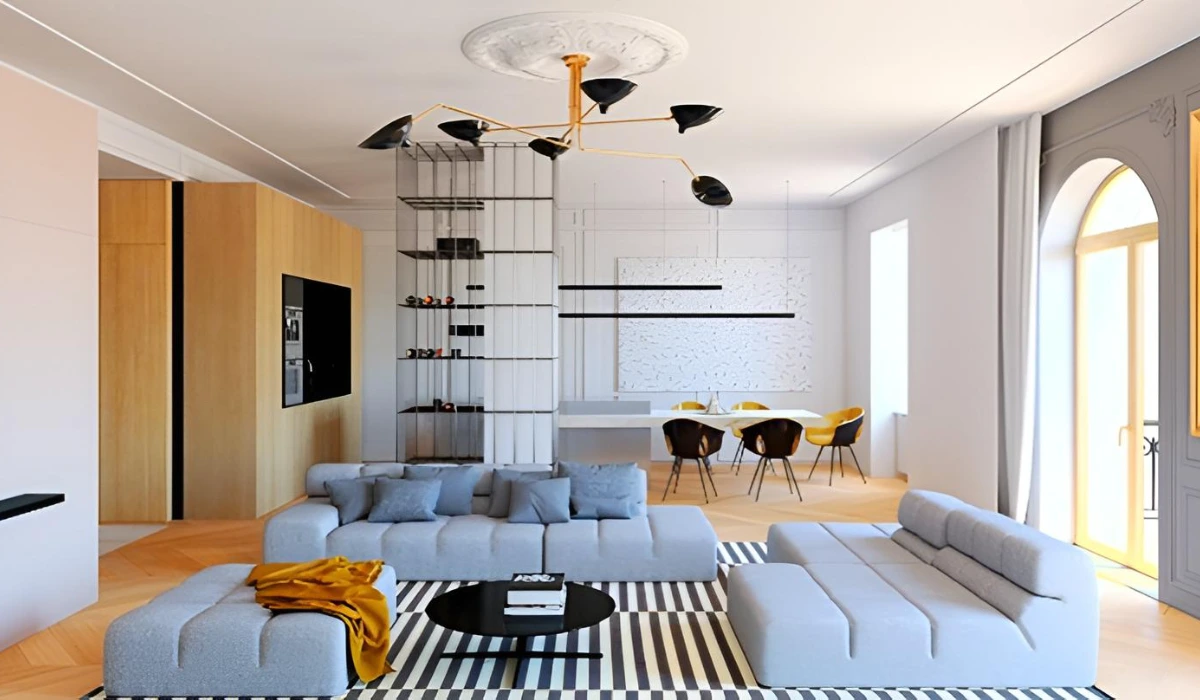
Contemporary interior design is an evolving approach to creating interiors that feel current, functional, comfortable, and visually balanced. Rather than following one rigid historical formula, contemporary interior design brings together clean architectural lines, thoughtful furniture, natural materials, controlled colors, layered textures, and carefully selected decorative elements.
Unlike a fixed design period, contemporary interior design changes as lifestyles, materials, technology, architecture, and aesthetic preferences develop. This flexibility allows homeowners to create spaces that feel modern today while remaining adaptable enough to evolve in the future.
What Is Contemporary Interior Design?
Contemporary interior design focuses on the visual language of the present rather than reproducing a specific historical movement. It commonly combines uncluttered layouts, streamlined furniture, neutral foundations, expressive artwork, natural finishes, and functional lighting.
The defining principle of contemporary interior design is balance. A room should feel organized without looking empty, sophisticated without becoming formal, and current without depending entirely on short-lived trends.
Why Contemporary Interior Design Keeps Evolving
The meaning of contemporary interior design changes because contemporary literally refers to what belongs to the current period. Materials, furniture profiles, lighting technology, color preferences, and architectural practices can all influence how the style looks.
For homeowners, this creates an important advantage. A well-planned contemporary interior design scheme does not require rebuilding a room whenever a new trend appears; smaller elements can be updated while the permanent foundation remains useful.
Contemporary Interior Design vs. Modern Interior Design
One of the most common sources of confusion is the difference between modern and contemporary interiors. Contemporary interior design is associated with current and evolving preferences, while modern design generally refers to a particular historical movement with recognizable principles.
| Feature | Contemporary Interior Design | Modern Interior Design |
| Definition | Evolving style influenced by current tastes | Design movement with historical roots |
| Time period | Continuously changing | Primarily associated with the 20th century |
| Furniture | Streamlined and adaptable | Functional, geometric, and movement-specific |
| Materials | Wood, stone, glass, metal, textiles | Wood, leather, metal, glass, and industrial materials |
| Decoration | Selective but expressive | Generally restrained |
| Flexibility | Can borrow from multiple styles | More closely tied to modernist principles |
Understanding this distinction makes it easier to create authentic contemporary interior design rather than simply filling a room with products labeled “modern.”
Contemporary Interior Design vs. Minimalism
Minimalism emphasizes reduction, simplicity, and removing unnecessary possessions. Contemporary interior design can include minimalist principles, but it does not require a completely sparse environment.
A contemporary room may contain artwork, books, plants, textured fabrics, vintage furniture, or sculptural accessories. The difference is that these elements should have a clear visual or functional purpose.
Essential Elements of Contemporary Interior Design
Several characteristics repeatedly appear in successful contemporary interior design projects. They work together rather than functioning as isolated decorating rules.
Clean Lines and Streamlined Shapes
Clean lines are fundamental to contemporary interior design because they create visual order. Straight cabinetry, simple furniture silhouettes, architectural edges, and uncluttered surfaces can establish a strong foundation.
However, an interior does not need to contain only straight lines. Curved sofas, circular tables, rounded mirrors, and organically shaped lighting can introduce softness and prevent the composition from becoming excessively rigid.
Neutral Color Palettes With Purposeful Accents
Neutral colors are frequently used in contemporary interior design because they allow furniture, artwork, materials, and architecture to become focal points. White, cream, beige, taupe, gray, brown, and charcoal can all provide versatile foundations.
Accent colors can then be introduced through artwork, rugs, cushions, chairs, decorative objects, or even a single architectural feature. In effective contemporary interior design, color usually appears intentionally instead of being scattered randomly throughout the room.
Natural Materials and Contrasting Surfaces
Natural materials add depth to contemporary interior design. Timber, stone, linen, wool, rattan, ceramics, and woven fibers can soften the visual effect of glass, metal, and polished surfaces.
Material contrast is particularly useful when the color palette is restrained. A room with similar colors can still feel visually rich when smooth, rough, soft, reflective, and textured surfaces are carefully combined.
Layered Textures
Texture prevents contemporary interior design from becoming visually flat. A neutral sofa, for example, can gain depth when paired with a textured rug, woven throw, timber table, ceramic accessory, and softly finished curtains.
The goal is not to introduce every available texture. Instead, choose a few contrasting surfaces that support the overall composition and improve tactile comfort.
How to Choose a Contemporary Color Scheme
A successful contemporary interior design color palette usually begins with the largest surfaces before moving toward smaller details. Walls, floors, cabinetry, and major furniture establish the visual foundation.
Start With a Base Color
Warm white, cream, beige, greige, soft gray, and earthy neutrals can work well as foundational colors. The appropriate choice depends on natural light, room size, flooring, furniture, and the atmosphere you want to create.
A neutral base also gives contemporary interior design greater flexibility because furniture and accessories can change without forcing a complete color overhaul.
Introduce Supporting Tones
Supporting tones can appear in upholstery, wood finishes, curtains, rugs, cabinetry, and secondary furniture. They should relate to the base rather than competing with it.
For example, a warm neutral wall can work with natural oak, muted brown upholstery, black metal details, and subtle green accents. This approach creates cohesion without making every item identical.
Add an Accent Strategically
Accent colors are most effective when they have a clear visual role. A large artwork, statement chair, rug, or decorative feature can provide enough contrast without making the entire room visually busy.
Contemporary Furniture: Choosing Pieces That Work
Furniture is one of the most visible components of contemporary interior design, but appearance should never be considered separately from comfort and proportion.
Prioritize Scale and Proportion
Before purchasing furniture, measure the room and consider doors, windows, walkways, heating systems, and other fixed features. Oversized furniture can make even a large room feel crowded.
Good contemporary interior design preserves negative space around important pieces. Empty space is not wasted space; it allows furniture and architectural features to remain visually clear.
Avoid Matching Furniture Sets
A completely matching furniture set can make a room feel predictable. Instead, contemporary interior design often benefits from combining pieces that share a common material, color, shape, or proportion.
A streamlined sofa might work with a sculptural coffee table, textured armchair, timber side table, and simple floor lamp. The pieces can differ while still appearing intentionally connected.
Contemporary Lighting and Its Role in Interior Composition
Lighting is essential to contemporary interior design because it influences both functionality and atmosphere. A room that looks balanced during daylight can feel completely different after sunset if the lighting plan is inadequate.
Layer the Lighting
Use three main lighting layers:
- Ambient lighting for general illumination
- Task lighting for reading, cooking, studying, or working
- Accent lighting for artwork, shelving, architecture, or decorative features
This layered strategy gives contemporary interior design greater flexibility throughout the day.
Use Statement Fixtures Carefully
Pendant lights, linear fixtures, sculptural chandeliers, and architectural wall lights can become focal points. However, the fixture should relate to the room's size and furniture arrangement.
A dramatic fixture works best when the surrounding elements remain relatively controlled. This creates hierarchy rather than visual competition.
Contemporary Flooring and Material Selection
Flooring establishes a large part of the visual foundation in contemporary interior design. Natural timber, engineered wood, stone, porcelain, polished surfaces, and durable resilient flooring can all work depending on the room's requirements.
Material selection should consider more than appearance. Moisture exposure, maintenance, foot traffic, slip resistance, cleaning requirements, and long-term durability should influence flooring and surface decisions.
Balance Hard and Soft Materials
Hard flooring can be balanced with rugs and upholstered furniture. Similarly, stone or metal surfaces can be softened with timber, textiles, plants, and woven accessories.
This contrast is an important part of contemporary interior design because it prevents rooms from feeling excessively industrial or visually cold.
Contemporary Interior Design Ideas for Every Room
Applying contemporary interior design throughout a home does not mean making every room identical. Instead, use shared colors, materials, and design principles while allowing each room to perform its specific function.
Contemporary Living Room
A living room can begin with a comfortable sofa that fits the available floor area. Add a suitable coffee table, rug, occasional seating, lighting, and artwork while maintaining clear circulation.
Effective contemporary interior design often uses one or two strong focal points rather than decorating every wall and surface. A fireplace, large artwork, sculptural light, or distinctive table can provide sufficient visual interest.
Contemporary Bedroom
The bedroom should prioritize comfort, calmness, and practical storage. A simple upholstered or timber headboard, streamlined bedside tables, layered bedding, soft curtains, and adjustable lighting can establish the desired atmosphere.
Texture is particularly valuable in bedroom contemporary interior design. Linen, wool, timber, upholstery, and soft rugs can provide warmth without requiring strong decorative patterns.
Contemporary Kitchen
Contemporary kitchens typically emphasize efficient storage, clean cabinetry, durable surfaces, integrated appliances, and carefully planned lighting.
Handleless cabinets or low-profile hardware can strengthen the streamlined appearance, while timber, stone, textured finishes, and metal accents introduce variation. The best contemporary interior design kitchens balance appearance with practical cooking and storage requirements.
Contemporary Bathroom
A bathroom can adopt contemporary interior design through large-format tiles, floating cabinetry, simple fixtures, frameless glass, and restrained geometric forms.
Because bathrooms experience moisture and frequent cleaning, material performance matters. Choose surfaces according to water exposure, ventilation, maintenance, slip resistance, and expected use.
Contemporary Dining Room
The dining area provides an opportunity for a distinctive focal point. A sculptural pendant above the table can anchor the room while simple chairs and restrained accessories keep the composition balanced.
In contemporary interior design, the dining area should remain practical. Adequate space around chairs and comfortable lighting are just as important as the appearance of the furniture.
How to Make Contemporary Interior Design Feel Warm
One challenge with highly restrained contemporary interior design is preventing the room from appearing cold or impersonal. The solution is not to add large quantities of decoration.
Instead, introduce warmth through natural timber, soft textiles, woven materials, plants, artwork, curved forms, and warm lighting. These elements give contemporary interior design a more comfortable character while preserving visual simplicity.
Combine Natural and Refined Materials
Wood can provide warmth against stone or metal. Linen and wool can soften glass and polished surfaces, while handmade ceramics can introduce subtle irregularity.
This combination allows contemporary interior design to remain sophisticated without appearing sterile.
Contemporary Interior Design for Small Homes
Small rooms require careful planning because every piece affects circulation and perceived space. Contemporary interior design can work effectively in compact homes when furniture scale and storage are considered from the beginning.
Choose furniture that serves a clear purpose and avoid blocking natural light. Wall-mounted storage, multifunctional furniture, concealed organization, reflective surfaces, and visually lightweight pieces can help maintain an open feeling.
Use Negative Space Intentionally
Trying to fill every corner can make a small home feel even smaller. Good contemporary interior design leaves breathing room around furniture and creates clear visual pathways.
Instead of adding multiple small accessories, select a few elements with stronger visual impact.
Contemporary Interior Design on a Limited Budget
You do not need to replace an entire home to achieve contemporary interior design. In many cases, organization, furniture placement, lighting, and selective upgrades can make a larger difference than expensive decorative purchases.
Begin by removing unnecessary clutter and evaluating what can be reused. Then prioritize high-impact changes such as lighting, paint, curtains, rugs, cabinet hardware, artwork, or one important furniture piece.
Where to Spend More
Invest in items that receive frequent use or influence the room substantially. A durable sofa, quality flooring, practical storage, and effective lighting can provide long-term value.
Where to Save
Accessories do not always need to be expensive. Second-hand furniture, vintage pieces, simple ceramics, plants, books, and existing artwork can become part of contemporary interior design when arranged thoughtfully.
Common Contemporary Interior Design Mistakes to Avoid
Understanding what not to do can make the planning process easier. Many unsuccessful rooms do not fail because the individual products are poor; they fail because the elements lack proportion, hierarchy, or cohesion.
Making the Room Too Empty
Excessive minimalism can make contemporary interior design feel unfinished. The goal is purposeful restraint rather than removing everything that gives a home personality.
Following Every New Trend
Contemporary does not mean buying every item that is currently fashionable. Trend-heavy interiors can quickly become visually inconsistent.
A stronger contemporary interior design foundation comes from durable materials, good proportions, practical furniture, and adaptable decorative elements.
Ignoring Furniture Scale
Furniture should correspond to the dimensions of the room. An oversized sectional can dominate a small living area, while undersized furniture may look disconnected in a large space.
Creating a Flat Neutral Interior
Neutral colors alone cannot create depth. Successful contemporary interior design combines tonal variation, texture, material contrast, lighting, and carefully selected focal points.
Sacrificing Function for Appearance
A visually attractive room still needs to support everyday life. Storage capacity, comfortable seating, accessible lighting, cleaning requirements, and circulation should all be considered before finalizing the design.
A Practical Contemporary Interior Design Process
A structured process can prevent unnecessary purchases and expensive mistakes.
Step 1: Assess the Existing Space
Identify the architectural features worth preserving and determine which elements create clutter or functional problems.
Step 2: Establish a Material and Color Palette
Choose a small group of related colors and materials before shopping. This gives the contemporary interior design project a consistent visual direction.
Step 3: Create a Furniture Layout
Measure the room and establish circulation routes. Place the largest furniture first and evaluate how people will move through the space.
Step 4: Plan Permanent Elements
Consider flooring, wall finishes, cabinetry, built-in storage, and other components that are difficult or expensive to change.
Step 5: Develop the Lighting Plan
Combine ambient, task, and accent lighting. Consider daylight conditions as well as evening use.
Step 6: Add Decorative Layers
Once the foundation is complete, introduce artwork, rugs, plants, textiles, and accessories. Stop when the room reaches visual balance rather than filling every remaining surface.
How to Keep Contemporary Interior Design Current
The best contemporary interior design strategy is not constant renovation. Instead, create a durable foundation and allow smaller elements to evolve.
Furniture arrangement, artwork, rugs, cushions, lamps, and accessories can change the atmosphere without requiring structural modifications. This makes the home more adaptable as personal preferences and design trends change.
Permanent decisions should therefore be based primarily on quality, functionality, durability, and compatibility with the architecture. Trend-sensitive decisions can remain flexible.
Frequently Asked Questions
What are the main features of contemporary interior design?
The major characteristics include clean lines, functional layouts, restrained decoration, neutral or controlled colors, natural materials, layered textures, modern lighting, appropriate furniture proportions, and carefully selected focal points.
Is contemporary interior design the same as modern design?
No. Modern design is connected to a particular historical design movement, whereas contemporary interior design is continuously influenced by current aesthetics, technology, lifestyles, and materials.
Can contemporary interior design include bright colors?
Yes. A neutral foundation can be combined with stronger colors through artwork, furniture, rugs, accessories, or selected architectural features. The important consideration is maintaining visual balance.
Does contemporary interior design have to be minimalist?
No. Although both approaches can emphasize restraint, contemporary interior design can include artwork, plants, vintage pieces, books, decorative objects, and layered textiles.
How can I make a contemporary room feel less cold?
Use timber, wool, linen, woven materials, plants, artwork, curved furniture, and warm lighting. Combining soft and hard surfaces can make the room more inviting.
Is contemporary interior design suitable for small rooms?
Yes. Its emphasis on proportion, organization, negative space, practical storage, and streamlined furniture can work well in smaller homes when the furniture is correctly scaled.
How can I achieve contemporary interior design without renovating?
Begin with decluttering and rearranging furniture. Then consider high-impact changes such as lighting, paint, curtains, rugs, artwork, hardware, and selected furniture instead of immediately changing structural elements.
Conclusion
Contemporary interior design provides a flexible framework for creating a home that feels current without becoming dependent on a single historical style. Clean lines, thoughtful proportions, natural materials, controlled colors, layered textures, practical lighting, and intentional decoration work together to produce a balanced interior.
The most successful contemporary interior design projects are not simply collections of fashionable products. They respond to the architecture, lifestyle, available space, budget, and practical needs of the people using the home. By creating a durable foundation and updating smaller elements when necessary, homeowners can maintain an interior that remains comfortable, functional, personal, and visually relevant over time.
James Anderson
Passionate about transforming houses into inspired homes. Writing about practical DIY guides, interior design, and outdoor living.