DesignMode24 Interior Design: Practical Ideas for a Beautiful, Functional Home
James Anderson
Editorial Contributor
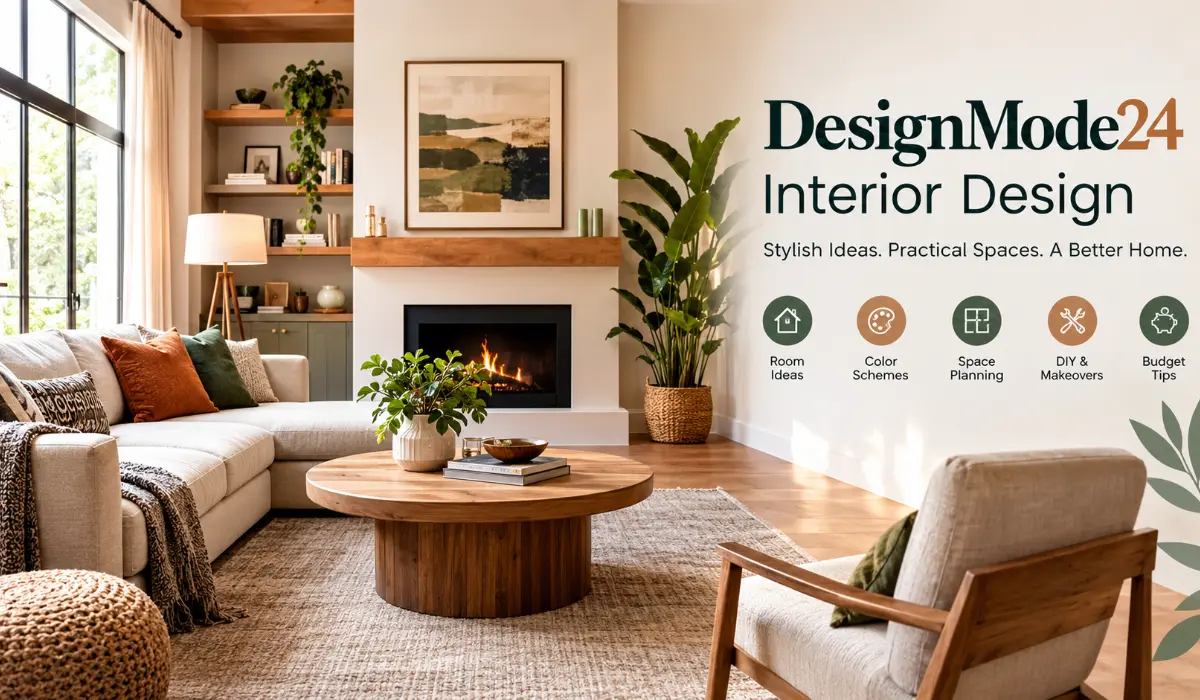
A well-designed home should look appealing, feel comfortable, and support everyday life. DesignMode24 interior design is a useful starting point for exploring home decorating inspiration, furniture arrangements, lighting ideas, color combinations, and practical room makeovers. For homeowners and renters in the United States, the goal is to adapt useful design ideas to the size, function, and budget of each space rather than follow trends without considering everyday needs.
The official DesignMode24 Interior Design website describes its content as a resource for interior design inspiration, home improvement guidance, room-by-room ideas, furniture selection, storage, and do-it-yourself projects. Its published topics include kitchens, bathrooms, bedrooms, living rooms, paint colors, lighting, and small-space solutions.
One distinction matters: DesignMode24 is a website and content brand, not a universally recognized historical interior design style with a fixed set of rules. You can use the term to discover inspiration, but your design choices should be based on proven planning principles, the needs of your household, and the features of your home.
What Is DesignMode24 Interior Design?
DesignMode24 interior design refers to the interior decorating and home improvement ideas associated with the DesignMode24 online resource. These ideas generally focus on making living spaces attractive, organized, comfortable, and practical.
For example, a living room needs seating and clear walking paths. A kitchen needs suitable storage, usable work surfaces, and adequate task lighting. A bedroom should provide comfortable sleeping arrangements and storage without feeling crowded.
These goals are consistent with the broader practice of interior design, which considers how people use spaces and how layouts, furnishings, lighting, materials, and other design decisions affect their experience.
Is DesignMode24 a Formal Interior Design Style?
DesignMode24 is not an established design movement with a universally accepted visual identity comparable to Art Deco, Bauhaus, or Scandinavian design. The phrase appears on multiple websites, and the descriptions vary between sources. It is therefore more accurate to treat it as a search term associated with design inspiration rather than a formal style classification.
Instead of trying to reproduce one supposedly official look, focus on principles that work across different interiors:
- Functionality: Make each room suitable for its intended activities.
- Comfort: Choose furniture, lighting, and materials that suit daily use.
- Visual balance: Coordinate colors, shapes, textures, and furniture sizes.
- Organization: Give frequently used items accessible storage.
- Personal style: Use artwork, textiles, and accessories to express your preferences.
- Durability: Select materials that can withstand the room's expected use and maintenance requirements.
These principles can guide a contemporary apartment, a traditional family home, or a small rental without requiring every room to follow the same decorating trend.
Core Principles of DesignMode24 Interior Design
A successful interior begins with a plan, not a shopping list. Before buying furniture or selecting paint, decide how the room should function and identify the improvements that will make the biggest difference.
1. Plan the Layout Around Everyday Activities
Measure the room and record the locations of windows, doors, fireplaces, built-in storage, and other permanent features. Then identify the main activities that take place there.
In a living room, the layout might center on conversation, television viewing, or a fireplace. In a home office, the desk, chair, lighting, and storage should support work without obstructing movement.
Use this checklist when planning a room:
- Measure the room and the furniture you intend to keep.
- Identify the main focal point or activity.
- Maintain practical routes between entrances and frequently used areas.
- Check that doors, drawers, and cabinets can open fully.
- Consider children, older adults, mobility needs, and other household requirements.
A layout that looks attractive in a photograph may not work in a real home if people must squeeze between furniture or cannot reach essential items.
2. Choose a Coordinated Color Palette
Color helps establish the atmosphere of a room, but it should work with the flooring, furniture, natural light, and existing finishes.
A simple starting point is to select one dominant color, a secondary color, and one or two accent colors. For example, warm white walls, natural wood furniture, muted green textiles, and a few darker accessories can create a balanced living room.
For a bedroom, soft beige, muted blue, or warm gray may complement natural textures and simple furnishings. A kitchen can use a neutral cabinet color with contrasting hardware or a carefully chosen backsplash.
Before committing to paint, test samples on the actual walls. Observe them during the day and evening because lighting conditions and nearby finishes influence how colors appear.
3. Layer Different Types of Lighting
Lighting should support both the appearance of a room and the activities that happen in it. Relying on one ceiling fixture can leave work surfaces, reading areas, and corners poorly illuminated.

Ambient lighting
Provides general illumination throughout the room. Common examples include ceiling fixtures and appropriately placed recessed lights.

Task lighting
Directs light toward specific activities such as reading, cooking, writing, or working at a desk.

Accent lighting
Highlights artwork, shelves, architectural features, or decorative objects.
Consider window placement, glare, and the brightness needed for each activity. Choose suitable bulbs and fixtures for the location, and use a qualified electrician for electrical work that requires new wiring or changes to existing circuits.
4. Balance Furniture, Materials, and Texture
A room can feel flat when every surface has the same finish. Combining a few complementary materials can create more visual interest without making the space feel busy.
For example, a fabric sofa can work well with a wood coffee table, a textured rug, and metal lighting fixtures. In a bedroom, cotton bedding, a woven throw, and wood furniture can provide variety without requiring bold patterns.
Furniture scale is equally important. An oversized sectional may overwhelm a compact living room, while several undersized pieces may look disconnected in a large space.
Before buying anything, measure the furniture and check delivery access. Where possible, use paper templates or removable painter's tape to estimate how each piece will fit on the floor.
5. Make Storage Part of the Design
Storage should make a room easier to use, not simply hide clutter. Consider what needs to be stored, how frequently those items are used, and where they should be accessible.
Useful options include:
- Drawers and cabinets for everyday necessities.
- Wall-mounted shelves for books and selected decorative objects.
- Baskets for blankets, toys, and household accessories.
- Closet organizers for clothing and linens.
- Multipurpose furniture for compact rooms.
Avoid filling every empty wall with shelving. A balanced design includes both useful storage and enough open space for the room to feel comfortable.
Room-by-Room DesignMode24 Interior Design Ideas
Different rooms have different requirements. A design that works in a living room may not be practical for a kitchen or bathroom, so tailor each decision to the space's purpose.
Living Room: Create a Welcoming Gathering Space

A living room often needs to accommodate relaxing, conversation, entertainment, and family activities. Start by choosing a focal point, such as a fireplace, large window, television, or prominent piece of artwork.
Arrange seating so people can interact comfortably, and avoid blocking entrances or main walking routes. Side tables provide convenient surfaces, while rugs can help visually define a seating area in an open-plan home.
For a smaller living room, prioritize a few appropriately sized pieces instead of filling every corner. For a larger room, consider creating separate zones for conversation, reading, or other activities.
Bedroom: Make Comfort the Priority

A bedroom should support rest while providing convenient storage and enough room to move around the bed.
Consider these improvements:
- Choose a bed size that fits the room and the household's needs.
- Position bedside tables where they are easy to reach.
- Use curtains or blinds that provide the required privacy and light control.
- Add bedside lighting for reading and other evening activities.
- Use closet organizers or under-bed storage when suitable.
Soft colors and layered textiles can create a calm atmosphere, but there is no requirement to use an all-white or neutral palette. Choose colors and materials that suit your preferences and are easy to maintain.
Kitchen: Combine Practicality With Style

A well-planned kitchen should support food preparation, cooking, cleaning, and storage. Decorative improvements are most effective when they preserve or improve these functions.
Focus on countertop space, accessible cabinets, appropriate task lighting, and durable finishes. Drawer dividers, pull-out organizers, and shelf inserts may improve storage without requiring a complete renovation.
Open shelving can display attractive dishes and frequently used items, but it also exposes contents to dust and kitchen residue. Use it selectively rather than replacing every closed cabinet.
For a lower-cost refresh, consider updating compatible cabinet hardware, repainting suitable cabinetry, or replacing an outdated light fixture. Before making changes to plumbing, ventilation, electrical systems, or structural elements, check local requirements and consult qualified professionals where needed.
Bathroom: Improve Storage, Lighting, and Moisture Control

Bathrooms require materials and fixtures that suit frequent moisture exposure. A good design combines practical storage, useful lighting, accessible fixtures, and appropriate ventilation.
Simple improvements include organizing the vanity, replacing an outdated mirror, improving task lighting, and coordinating towels and accessories. If the room has persistent condensation or signs of moisture damage, investigate the cause instead of covering it with new finishes.
For major bathroom renovations, waterproofing and plumbing deserve careful attention. Cosmetic upgrades cannot compensate for leaks or improperly installed wet-area materials.
Home Office: Support Focus and Comfort

A home office should suit the type of work being done and the equipment required. A functional workspace needs more than a stylish desk.
- Choose a work surface large enough for essential equipment.
- Adjust the chair and desk to support a comfortable working position.
- Arrange the monitor to limit glare.
- Keep cables organized and electrical equipment accessible.
- Store frequently used supplies within easy reach.
If your workspace shares a bedroom or living room, define it with a compact desk, shelving, or a consistent lighting arrangement. This can help distinguish work activities from relaxation without requiring a separate room.
How to Make Small Rooms Feel More Spacious
Small homes and apartments benefit from careful furniture selection and thoughtful use of vertical space. The objective is to improve usability, not to remove every decorative item.

Space-Saving Ideas That Work in Everyday Homes
- Measure before buying. Check furniture dimensions and delivery access.
- Use vertical storage. Tall shelves and wall-mounted storage can free up floor space.
- Choose multipurpose furniture. Storage ottomans, nesting tables, and sofa beds can serve more than one purpose.
- Maintain clear walkways. Avoid arrangements that obstruct doors or make movement difficult.
- Reduce visual clutter. Group accessories and store everyday necessities in accessible containers.
- Use mirrors thoughtfully. A well-positioned mirror can reflect light and create a greater sense of visual openness, although it does not increase the actual size of a room.
- Preserve useful open areas. Do not fill every corner simply because space is available.
Light colors may help a room feel brighter, but they are not the only suitable option. Dark walls can also work in small spaces when balanced with thoughtful lighting, appropriate furniture, and a coordinated palette.
Budget-Friendly Interior Design and Home Improvements
A successful room makeover does not always require replacing everything. Often, the best starting point is to rearrange existing furniture, improve lighting, or solve a storage problem.
Where to Spend and Where to Save
| Project | Where spending may be worthwhile | Lower-cost alternative |
| Furniture | Durable pieces used every day | Refurbish suitable existing furniture |
| Lighting | Safe, suitable fixtures for important tasks | Add a table or floor lamp |
| Walls | Professional repairs for damaged surfaces | Paint sound surfaces yourself |
| Storage | Built-ins that solve a persistent space problem | Freestanding shelves and organizers |
| Décor | A few durable, meaningful pieces | Rearrange existing accessories |
| Kitchen | Necessary repairs and functional upgrades | Update compatible hardware |
| Flooring | Durable materials appropriate to the room | Clean and maintain existing flooring |
Actual costs depend on the location, materials, labor, and project complexity. Obtain current local estimates before committing to major work.
A Simple Home Decorating Budget
Divide planned improvements into three categories:
- Essential: Repairs, safety issues, and problems affecting everyday use.
- High priority: Improvements that noticeably increase comfort, organization, or functionality.
- Optional: Decorative purchases that can wait until more important work is complete.
Research prices, compare product specifications, and reserve part of your budget for unexpected expenses. For larger projects, request itemized estimates so you can compare materials, labor, and the work included in each proposal.
DIY Projects That Can Refresh a Room
Simple do-it-yourself projects can personalize a space without requiring a full renovation. Depending on your skills and the condition of the room, options include:
- Repainting a suitable wall or piece of furniture.
- Installing removable wallpaper according to the product instructions.
- Organizing closets and drawers.
- Creating a gallery wall.
- Replacing compatible cabinet pulls.
- Refreshing a room by rearranging furniture and accessories.
Do not assume that every project is suitable for DIY work. Electrical alterations, structural modifications, and work involving plumbing or hazardous materials may require licensed professionals or permits under local rules.
Sustainable and Long-Lasting Interior Design Choices
A thoughtfully designed home should remain useful after decorating trends change. Durability, repairability, maintenance, and energy use can all influence the long-term value of an interior improvement.
Choose Materials for Their Intended Use
Before selecting flooring, upholstery, countertops, or paint, consider how the room is used. A busy entryway needs different flooring from a guest bedroom, while kitchen surfaces must tolerate the conditions associated with cooking and cleaning.
Look for product specifications that address durability, cleaning, moisture resistance, and installation requirements. Claims such as “eco-friendly” or “sustainable” should be supported by meaningful product information rather than marketing language alone.
Reuse and Repair Before Replacing
Existing furniture may still be useful even when its finish looks outdated. Refinishing a table, repairing a chair, or reupholstering a suitable piece can reduce waste and preserve items with personal value.
Secondhand furniture can also be an option, provided that its condition, dimensions, safety, and maintenance requirements meet your needs.
Improve Lighting and Energy Use
Use daylight where practical, choose efficient lighting products suited to the fixture, and switch off lights when they are not needed. Window coverings can help manage glare and privacy, while suitable weatherization and insulation improvements may improve a home's overall energy performance.
Interior decorating alone cannot correct every energy problem. Drafts, inefficient windows, inadequate insulation, and heating or cooling issues may require separate assessment.
Common Interior Design Mistakes to Avoid
Even attractive design ideas can disappoint when they are not suited to the room. Avoid these common mistakes when planning your next project.
Buying Furniture Before Measuring
Furniture that looks ideal online may not fit through the doorway or leave enough room for movement. Measure the room, the furniture, and the delivery route before ordering.
Choosing Paint Without Testing It
Paint colors can appear different under daylight and artificial lighting. Test samples in the actual room before committing to an entire wall or space.
Depending on One Light Source
A single overhead fixture may leave work surfaces or reading areas poorly illuminated. Combine suitable general lighting with task lighting where needed.
Following Trends Without Considering Your Lifestyle
Delicate upholstery may not suit a busy family, and open shelving may be inconvenient for people who prefer low-maintenance storage. Select furniture and finishes that match your household's habits.
Overdecorating Every Surface
Too many accessories can compete for attention and reduce usable space. Choose a few meaningful objects and leave room for furniture, artwork, and architectural details to stand out.
Ignoring Repairs and Safety
Do not cover moisture damage, cracks, or deteriorating finishes with decorative products before understanding the underlying problem. Check installation instructions and local requirements for projects involving electrical systems, plumbing, structural elements, or fire safety.
How to Plan an Interior Design Project Step by Step
A clear sequence can help you avoid unnecessary purchases and keep a decorating project manageable.
- Identify the problem. Decide whether the room needs better lighting, more storage, a more useful layout, or updated finishes.
- Measure the space. Record room dimensions, doors, windows, permanent features, and existing furniture.
- Set a budget. Separate essential repairs from optional decorative improvements.
- Choose a design direction. Select a manageable palette and materials that complement the room.
- Plan furniture placement. Consider everyday activities, circulation, access, and comfort.
- Address practical needs. Improve storage and lighting before focusing on small decorative details.
- Compare products. Check dimensions, durability, maintenance requirements, and return policies.
- Complete improvements in order. Handle necessary repairs first, followed by surface finishes, furniture, and accessories.
- Review the result. Use the room for a while before purchasing additional items or making further changes.
This process makes DesignMode24 interior design ideas easier to apply in a real home because every decision serves a clear purpose.
Final Thoughts
A well-designed home should balance appearance, comfort, functionality, and long-term practicality. The most useful improvements often begin with understanding how a room is used, measuring carefully, choosing suitable materials, and making thoughtful decisions about furniture, lighting, storage, and color.
DesignMode24 interior design can provide inspiration for exploring home decorating ideas, but you do not need to follow a single aesthetic or replace everything at once. Adapt ideas to your home's layout, your household's needs, and your available budget. A planned approach can help you create inviting spaces that remain practical long after decorating trends change.
Frequently Asked Questions
What is DesignMode24 interior design?
DesignMode24 interior design refers to online interior design inspiration and home decorating guidance associated with the DesignMode24 name. It is not a universally recognized formal design movement with one fixed appearance.
What are the main principles of DesignMode24 interior design?
The main ideas include functional layouts, coordinated colors, suitable lighting, balanced furniture, practical storage, and personal style. The best choices depend on the room, household needs, and available budget.
Can beginners use DesignMode24 interior design ideas?
Yes. Beginners can start with simple projects such as rearranging furniture, testing paint colors, improving lighting, organizing storage, and selecting complementary accessories. Larger renovations require more planning and may need professional assistance.
How can I use DesignMode24 interior design in a small apartment?
Choose appropriately sized furniture, use vertical storage, keep walkways clear, and consider multipurpose pieces. Mirrors and thoughtful lighting can also help a small space feel brighter and more open.
Can I apply DesignMode24 interior design on a limited budget?
Yes. Rearranging existing furniture, refreshing suitable surfaces, updating cabinet hardware, and improving organization can make a noticeable difference. Prioritize necessary repairs and functional improvements before optional purchases.
Should every room have the same interior design style?
No. Rooms can serve different purposes while sharing a consistent color palette, complementary materials, or related finishes. The goal is to create a home that feels connected without making every room identical.
How do I choose the right interior design materials?
Consider durability, cleaning requirements, moisture exposure, appearance, and installation needs. Compare product specifications and choose materials suited to the intended room and your household's daily activities.
Is professional help necessary for a home makeover?
Not always. Small decorative changes can often be completed independently. Professional advice may be valuable for complex layouts, major renovations, accessibility requirements, or projects involving structural, electrical, plumbing, or other regulated work.
James Anderson
Passionate about transforming houses into inspired homes. Writing about practical DIY guides, interior design, and outdoor living.