Rex Rabbit: Complete Guide to History, Habits, Care, Benefits and Importance in Australia
James Anderson
Editorial Contributor
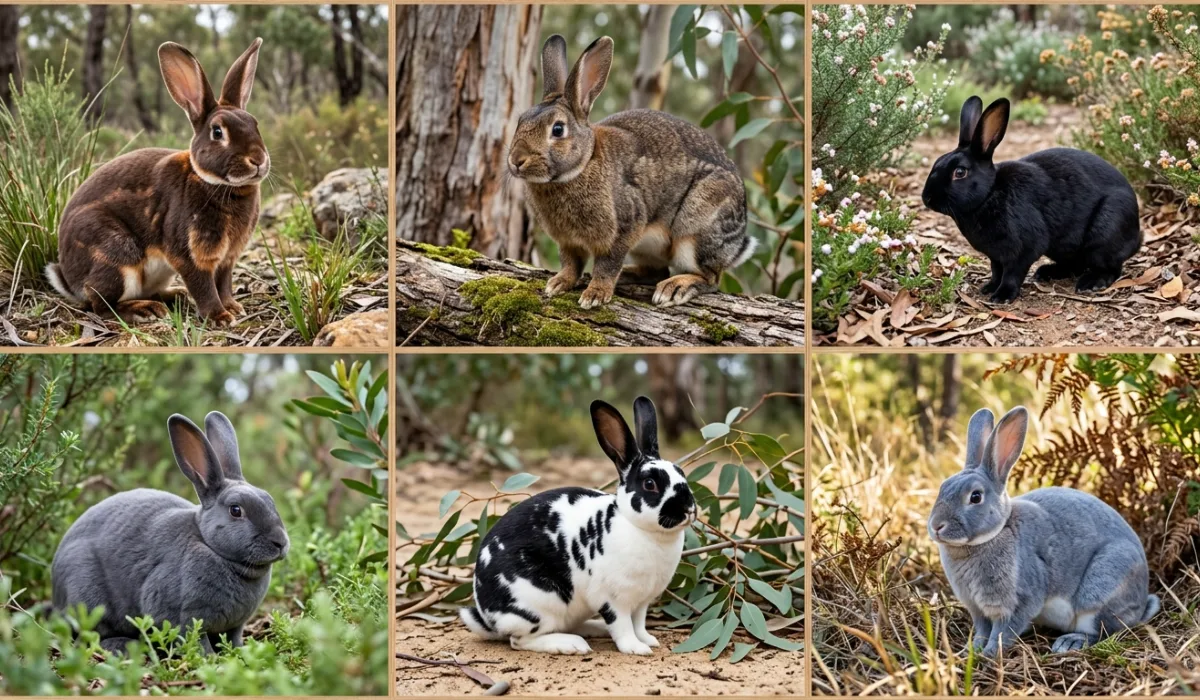
The Rex rabbit is one of the most recognisable domestic rabbit breeds in the world, famous for its exceptionally soft, dense, velvet-like coat. Unlike ordinary rabbit fur, the coat of this breed has a distinctive structure that makes it stand upright and feel unusually plush when touched. This special characteristic has made the breed important in rabbit showing, breeding, companion-animal ownership and, historically, the fur industry.
Today, the Rex rabbit is much more than a rabbit valued for its coat. It is also kept as a companion animal and is appreciated by rabbit enthusiasts because of its attractive appearance, intelligent behaviour and generally calm personality. In Australia, Rex rabbits can be seen in organised rabbit shows, breed competitions and companion-animal communities. Australian rabbit organisations recognise Rex as a distinct breed category, while shows provide dedicated classes for both Standard Rex and Miniature Rex. (rasnsw.com.au)
What Is a Rex Rabbit?
A Rex rabbit is a domestic rabbit distinguished primarily by its unusual fur. The genetic mutation responsible for the Rex coat changes the structure and relative length of the hairs. The guard hairs are shortened so that they are approximately the same length as the underfur, producing the characteristic short, dense and velvety texture.
The breed originated in France in the early twentieth century. According to the American Rabbit Breeders Association, Rex rabbits were first publicly exhibited at the Paris International Rabbit Show in 1924 and subsequently attracted international attention. The breed was brought to the United States in 1924 by John Fehr and Alfred Zimmerman. (ARBA)
The name "Rex" is associated with this distinctive coat characteristic. It is important to understand that "rex" can also describe the type of fur produced by a genetic mutation in other animals, while the capitalised name Rex rabbit refers specifically to the recognised rabbit breed.
History and Origin
The story of the Rex rabbit began in France. A naturally occurring genetic mutation produced rabbits with an unusual coat in which the guard hairs were reduced, creating a much softer and more uniform appearance.
Rather than being developed from an entirely different wild species, the Rex breed emerged from domestic rabbits carrying this unusual genetic characteristic. Breeders recognised the potential of the coat and selectively developed rabbits that consistently displayed the desired texture.
The breed gained attention during the 1920s. Its public appearance at the Paris International Rabbit Show in 1924 was an important milestone because it introduced the unusual rabbit to a wider international audience. American breeders subsequently imported the animals to the United States, where the breed became established in organised rabbit breeding and showing. (ARBA)
The coat was initially an important commercial attraction. Rex fur was considered particularly valuable because of its dense, short and luxurious texture. Over time, however, the breed developed another important role as a show and companion rabbit.
Physical Appearance
The Rex rabbit is generally a medium-sized rabbit with a solid, well-developed body. Breed standards vary somewhat between organisations and countries, so exact preferred weights and colour classifications can differ.
The American Rabbit Breeders Association lists a maximum weight of approximately 10.5 pounds for the standard Rex. (ARBA)
Typical characteristics include:
- A medium to large commercial-type body
- Broad head
- Upright ears
- Strong hind legs
- Dense, short fur
- Fine whiskers that may appear curled
- Well-developed body and shoulders
- Smooth and even coat
- A wide range of recognised colours
Australian breed information gives the Standard Rex an ideal adult weight range of approximately 2.72–3.62 kg and describes its coat as intensely dense, smooth, fine and velvet-like. (warci.com.au)
The coat is the feature that immediately distinguishes the breed from many other rabbits. When a person touches a healthy coat for the first time, the texture can feel more like velvet than ordinary rabbit fur.
The Unique Rex Coat
The most fascinating characteristic of a Rex rabbit is its fur.
Ordinary rabbit coats generally contain guard hairs that extend beyond the underfur. In Rex rabbits, the guard hairs are unusually short. They do not project significantly above the undercoat, creating a remarkably even surface.
This produces several visual and tactile characteristics:
- Velvety texture
- The fur feels extremely soft and plush.
- Dense appearance
- The coat can appear thick despite being relatively short.
- Even surface
- The hairs stand approximately upright rather than lying flat.
- Distinctive shine
- Healthy coats can have an attractive, subtle sheen.
- Reduced grooming requirement
- Compared with long-haired breeds, the short coat generally requires less routine grooming.
However, this unusual coat also creates a welfare consideration. Rex rabbits lack the same protective guard-hair structure as ordinary rabbits, meaning their skin and feet can be more vulnerable to environmental exposure and pressure-related problems. The Rabbit Welfare Association & Fund specifically notes that Rex rabbits have no guard hair and may be more susceptible to pododermatitis, commonly known as sore hocks. (Rabbit Welfare Association & Fund (RWAF))
Rex Rabbit Colours
One of the attractions of the breed is the variety of colours and patterns available.
Recognised colours can include:
- Black
- Blue
- Chocolate
- Lilac
- Ermine
- Orange
- Castor or agouti
- Sable
- Seal
- Otter and other tan patterns
- Various other accepted colours and patterns depending on the breed standard
The exact list differs according to the organisation and country.
Australian show schedules demonstrate the diversity of Rex classifications. Recent Australian competitions have included Standard Rex and Miniature Rex classes divided into categories such as Ermine, Self, Shaded, Tan Pattern, Agouti, Orange and other accepted colours. (goulburnshow.com.au)
This variety makes the breed particularly interesting to exhibitors because breeders can work with different colour genetics while also selecting for correct body type and coat quality.
Rex Rabbit Temperament
A Rex rabbit is often described as calm, intelligent and friendly, although individual personality varies considerably.
A well-socialised rabbit may enjoy:
- Sitting beside its owner
- Exploring a safe room
- Playing with toys
- Foraging for food
- Learning simple routines
- Receiving gentle attention
- Interacting with another compatible rabbit
Australian veterinary information describes the breed as generally friendly and affectionate, while other sources note that some individuals can be nervous or require careful socialisation. (Vets Love Pets)
It is therefore better not to assume that every rabbit of this breed will have exactly the same temperament. Genetics, early handling, environment, companionship and previous experiences all influence behaviour.
Common Habits
Understanding the natural habits of a Rex rabbit is essential for responsible ownership.
1. Digging
Rabbits naturally have an instinct to dig. A pet rabbit may dig at blankets, cardboard, soil or specially provided digging material.
Providing a safe digging box can turn this natural behaviour into healthy enrichment.
2. Chewing
Rabbit teeth continue growing throughout life, so chewing is an important natural behaviour. Safe untreated wood, cardboard and appropriate rabbit toys can provide enrichment.
Hay is particularly important because eating fibrous food encourages natural tooth wear.
3. Foraging
Wild rabbits spend considerable time searching for food. Domestic rabbits retain this behaviour.
Scatter-feeding suitable greens or hiding small portions of food around a safe enclosure can encourage natural foraging behaviour.
4. Running and jumping
Rabbits are active animals that need opportunities to run, jump, stretch and explore.
A small cage alone is not sufficient for good welfare. Rabbit Welfare Association & Fund guidance emphasises that rabbits need space and opportunities for natural behaviours such as running, jumping, digging and foraging. (Rabbit Welfare Association & Fund (RWAF))
5. Grooming
Rabbits regularly clean themselves. Their short coat means a Rex rabbit usually does not require the intensive daily grooming associated with some long-haired breeds.
Nevertheless, owners should regularly check the coat, skin, ears, eyes, nails and feet.
6. Social behaviour
Rabbits are social animals. Many benefit from living with a compatible rabbit rather than being permanently isolated.
Any bonding process should be gradual and carefully managed.
Is a Rex Rabbit a Good Pet?
A Rex rabbit can make a rewarding companion animal when its needs are properly understood.
Its short coat is attractive and relatively easy to maintain, while many individuals have friendly and relaxed personalities.
However, rabbits should not be treated as low-maintenance cage animals. They need:
- Appropriate housing
- Daily exercise
- Constant access to suitable hay
- Fresh water
- Safe enrichment
- Veterinary care
- Social interaction
- Protection from extreme weather
- Regular health checks
The biggest mistake is choosing the breed because it looks attractive without preparing for the long-term responsibility of rabbit ownership.
Rex Rabbit Care
Good care begins with the environment.
Housing
A rabbit should have enough space to:
- Stand upright
- Lie fully stretched
- Hop several times
- Turn comfortably
- Exercise
- Explore
- Hide
- Rest
A traditional small hutch should not be considered the entire living environment. Rabbit welfare organisations recommend much larger permanent living areas, with space for exercise and natural behaviours. (Rabbit Welfare Association & Fund (RWAF))
The enclosure should be:
- Secure from predators
- Well ventilated
- Dry
- Clean
- Protected from direct harsh sunlight
- Free from sharp surfaces
- Large enough for exercise
Flooring
Flooring is especially important for a Rex rabbit because its reduced guard-hair protection can increase vulnerability around the feet.
Avoid permanently keeping the rabbit on abrasive or uncomfortable wire flooring.
Soft but non-slippery surfaces, suitable bedding and regular cleaning can help protect the feet.
Feeding a Rex Rabbit
Diet is one of the most important aspects of rabbit health.
The foundation of an adult rabbit's diet should generally be high-quality grass hay or another suitable fibrous hay. Fresh hay should be available regularly.
A balanced diet can include:
- Unlimited suitable hay
- Fresh leafy greens
- A controlled amount of appropriate rabbit pellets
- Fresh clean water
- Safe herbs and vegetables in suitable quantities
Treats should be limited.
Foods high in sugar or starch should not become a major part of the diet.
Diet is also closely connected to dental health because rabbit teeth grow continuously. Recent rabbit welfare commentary on veterinary research emphasises the importance of appropriate diet for dental health. (Rabbit Welfare Association & Fund (RWAF))
Water Requirements
Fresh, clean water should always be available.
Owners can provide water through a suitable bowl, bottle or both, depending on the rabbit's preferences and the housing arrangement.
Water containers should be cleaned frequently to prevent contamination.
During hot Australian weather, water consumption may increase, making regular checks especially important.
Grooming
One major benefit of a Rex rabbit is its relatively short coat.
Unlike Angora rabbits, which may require intensive coat management, Rex rabbits generally need much less grooming.
However, "low grooming" does not mean "no grooming."
A gentle grooming routine can help owners:
- Check the skin
- Detect parasites
- Identify wounds
- Monitor moulting
- Remove loose fur when necessary
- Check the condition of the coat
Avoid excessive brushing because the coat and skin can be delicate.
Health Problems
Rabbits can hide illness surprisingly well, so owners should pay attention to subtle changes.
Potential health concerns include:
- Dental disease
- Gastrointestinal problems
- Respiratory disease
- Parasites
- Urinary problems
- Obesity
- Sore hocks
- Injuries
- Heat stress
The feet deserve particular attention in this breed. Because the Rex coat lacks conventional guard hairs, the skin over the feet may have less protection. Rabbit welfare specialists identify pododermatitis as a breed-specific welfare concern. (Rabbit Welfare Association & Fund (RWAF))
A veterinarian experienced with rabbits should examine an animal whenever there are significant changes in appetite, droppings, movement, breathing or behaviour.
Rex Rabbit and Heat in Australia
Australian owners need to take temperature seriously.
Rabbits are vulnerable to heat stress, and Australian summers can create dangerous conditions.
A Rex rabbit should have:
- Permanent access to shade
- Good ventilation
- Fresh water
- A cool resting area
- Protection from direct sun
- Careful monitoring during heatwaves
Outdoor housing should never become an enclosed hot box.
During periods of extreme heat, owners should seek veterinary advice about the safest environment.
Rex Rabbit in Australia
The breed has an established presence in Australia's rabbit fancy and exhibition community.
The Australian National Rabbit Council provides information about rabbit showing and recognises Rex rabbits as a distinct group with a short plush coat. (AUSTRALIAN NATIONAL RABBIT COUNCIL INC)
The West Australian Rabbit Council also lists Standard Rex among the breeds represented by Australian rabbit clubs and describes its coat as dense, smooth, fine and velvet-like. The organisation runs regular shows and promotes responsible rabbit keeping. (warci.com.au)
This demonstrates that Rex rabbits are not simply an imported curiosity in Australia. They form part of an organised rabbit-show culture involving breeders, exhibitors, judges and companion-animal owners.
Popularity in Australia
It is difficult to give a precise national percentage for the popularity of the breed because there is no single comprehensive Australian database recording every pet rabbit by breed.
However, evidence from Australian exhibitions shows that Rex rabbits have a continuing place in the country's rabbit community.
The Sydney Royal Rabbit Show is one of Australia's long-running domestic animal competitions. Rabbits have been exhibited there since 1858, and the modern program includes breed classes for Fancy, Fur, Rex and Lop rabbits. (rasnsw.com.au)
The 2026 competition schedule for the Royal Adelaide Show also contains multiple Miniature Rex classes and special awards for Rex breeds, demonstrating continuing organised exhibition interest. (The Show)
Australian regional competitions likewise include dedicated Rex categories.
Therefore, rather than claiming that Rex is "Australia's most popular rabbit breed," it is more accurate to say that the breed has an established and visible role in Australian rabbit showing and companion-animal culture.
Rex Rabbits in Australian Rabbit Shows
Showing is an important part of the breed's history.
In Australian competitions, rabbits are judged on characteristics such as:
- Breed type
- Coat quality
- Colour
- Condition
- Presentation
- Conformation
The distinctive coat is particularly important because it is the defining characteristic of the breed.
Australian show schedules demonstrate that both Standard Rex and Miniature Rex can have multiple colour and age classes. (rasnsw.com.au)
For an enthusiast, showing can provide opportunities to learn about genetics, breed standards, responsible breeding, animal husbandry and rabbit presentation.
Benefits of Owning a Rex Rabbit
There are several reasons people are attracted to this breed.
Beautiful coat
The velvet-like coat is undoubtedly the breed's biggest visual attraction.
Moderate grooming needs
The short coat generally requires less grooming than long-haired rabbit breeds.
Intelligent behaviour
Many individuals learn routines quickly and can be trained to use litter areas and respond to predictable household routines.
Companion potential
Well-socialised rabbits can become affectionate and interactive companions.
Show potential
The breed has an established place in rabbit exhibition communities.
Educational value
Keeping rabbits responsibly can teach children and adults about animal behaviour, nutrition, welfare and genetics, although children should always be supervised and adults remain responsible for care.
Are Rex Rabbits Suitable for Children?
They can be suitable for families, but there is an important distinction between a rabbit being suitable for a family and being suitable as a child's sole responsibility.
Young children may accidentally frighten or injure a rabbit by chasing, squeezing or lifting it incorrectly.
Children should learn to:
- Sit quietly near the rabbit
- Allow the rabbit to approach
- Handle it gently
- Never pull its ears
- Never carry it by the ears or scruff
- Respect its hiding place
- Wash their hands after handling food or cleaning areas
An adult should remain responsible for feeding, health care, housing and veterinary decisions.
Breeding Rex Rabbits
Responsible breeding requires knowledge of:
- Genetics
- Breed standards
- Health
- Pedigrees
- Temperament
- Housing
- Nutrition
- Pregnancy
- Kindling
- Kit care
Breeding should never be undertaken simply because baby rabbits are appealing.
A single female rabbit can produce many offspring, so uncontrolled breeding can quickly create welfare problems.
Potential breeders should work with experienced rabbit organisations and understand the relevant Australian rules and local requirements.
Rex Rabbit and Genetics
The most important genetic feature is the mutation responsible for the Rex coat.
In simplified terms, the mutation changes hair development so that the guard hairs are reduced in length relative to ordinary rabbit coats.
This creates the dense, upright fur that defines the breed.
Genetics also influence:
- Colour
- Pattern
- Body type
- Coat quality
- Size
- Other physical characteristics
Selective breeding has allowed rabbit breeders to establish consistent breed characteristics over many generations.
Standard Rex vs Mini Rex
The names can cause confusion.
The Standard Rex is the larger traditional breed. The Mini Rex is a smaller breed with the same basic type of distinctive Rex coat.
The two should not simply be viewed as the same rabbit at different ages.
They have their own breed standards and show classifications.
In Australia, competitions can contain separate Standard Rex and Miniature Rex classes. (goulburnshow.com.au)
The Mini Rex is particularly popular among people who prefer a smaller rabbit, while the Standard Rex has a more substantial commercial-type body.
Historical Importance of Rex Rabbits
The international importance of the breed comes largely from its unusual coat mutation.
The coat was historically valuable to the fur industry because of its distinctive texture. The American Rabbit Breeders Association notes that the breed's popularity grew largely from this short, dense, velvet-like fur. (ARBA)
The breed subsequently became important in:
- Rabbit exhibitions
- Selective breeding
- Domestic rabbit genetics
- Companion-animal keeping
- Historical fur production
- Rabbit fancy communities
Today, attitudes toward animal products vary significantly, and many owners keep Rex rabbits exclusively as companion animals or show animals.
Importance in the Modern World
The modern importance of the Rex rabbit is broader than commercial production.
It represents an interesting example of how a naturally occurring genetic mutation can become the defining feature of a recognised domestic breed.
It is also significant in the history of rabbit breeding because the unusual coat has been maintained through selective breeding across generations.
International rabbit organisations continue to recognise and promote the breed. The American Rabbit Breeders Association lists Rex among its recognised breeds and describes its characteristic coat and numerous colour varieties. (ARBA)
Dedicated Rex clubs also continue to support breeders and exhibitors. The National Rex Rabbit Club in the United States describes its mission as promoting, developing and improving the breed. (NRRC Website)
Rex Rabbit as a Companion Animal
Perhaps the biggest modern change in the breed's story is the transition from an animal primarily valued for its commercial coat to one increasingly appreciated as a companion.
Today, owners may choose a Rex rabbit because of its:
- Soft coat
- Attractive appearance
- Friendly personality
- Interesting behaviour
- Trainability
- Moderate grooming requirements
- Show potential
This change reflects a wider trend in rabbit ownership, where rabbits are increasingly treated as intelligent companion animals rather than simple cage animals.
Exercise and Enrichment
A healthy rabbit needs daily opportunities to move.
Useful enrichment can include:
- Cardboard tunnels
- Digging boxes
- Safe wooden toys
- Foraging games
- Hay-filled toys
- Hiding places
- Platforms
- Tunnels
- Supervised outdoor exercise in a secure area
Rotate toys periodically to maintain interest.
The goal is not simply to keep the rabbit occupied. Good enrichment allows the animal to perform behaviours that are naturally important to rabbits.
Litter Training
Many rabbits can learn to use a litter tray.
Place the tray where the rabbit naturally chooses to urinate. Hay can be placed near or above the litter area because rabbits often like to eat while toileting.
Clean the tray regularly while retaining enough familiar scent to encourage continued use.
Litter training can make indoor rabbit ownership significantly easier.
Indoor vs Outdoor Living
Both arrangements can work when designed around welfare, but indoor living provides greater control over temperature, predators and environmental conditions.
Outdoor rabbits require protection from:
- Heat
- Cold
- Rain
- Predators
- Insects
- Escape
- Other animals
- Extreme weather
Australian owners need particular caution with heat.
Regardless of whether the rabbit lives indoors or outdoors, it should have adequate space, exercise, enrichment, companionship and veterinary care.
How Long Does a Rex Rabbit Live?
Life expectancy varies depending on genetics, nutrition, environment, veterinary care and overall welfare.
Some veterinary sources give approximately six to eight years as a typical lifespan, although individual rabbits can vary. (petmd.com)
Good care can include:
- Appropriate diet
- Healthy body weight
- Dental monitoring
- Vaccination where recommended
- Parasite prevention
- Safe housing
- Regular veterinary checks
- Prompt treatment of illness
- Adequate exercise
Interesting Facts About Rex Rabbits
Here are some unique facts that make this breed particularly interesting:
1. The coat is its signature feature.
The unusual hair structure creates the famous velvet sensation.
2. The breed originated in France.
Its modern history began in the early twentieth century.
3. It reached the United States in the 1920s.
The breed was imported after attracting attention in Europe. (ARBA)
4. It was publicly exhibited in Paris in 1924.
This was an important milestone in its international development. (ARBA)
5. Rex rabbits have been important in fur history.
Their unique coat made them particularly notable in historical fur production.
6. They are now popular as companion animals.
Their value today extends well beyond their coat.
7. The breed exists in many colours.
Recognised colour lists vary between countries and organisations.
8. Australia has dedicated Rex show classes.
Australian competitions include Standard Rex and Mini Rex categories. (rasnsw.com.au)
9. The coat creates a welfare consideration.
The lack of conventional guard hairs can make the skin and feet more vulnerable. (Rabbit Welfare Association & Fund (RWAF))
10. The breed has an international following.
Rex clubs and rabbit organisations continue to support breeding and showing.
Things to Consider Before Buying a Rex Rabbit
Before bringing one home, ask yourself:
- Can I provide enough space?
- Can I afford veterinary treatment?
- Can I provide a proper hay-based diet?
- Can I protect the rabbit from Australian heat if I live in Australia?
- Can I provide companionship?
- Do I have time for daily exercise and interaction?
- Can I keep the enclosure clean?
- Am I prepared for a long-term commitment?
- Do I understand rabbit behaviour?
- Have I checked local regulations?
Buying a rabbit should be a considered decision rather than an impulse purchase.
Choosing a Healthy Rex Rabbit
When selecting a rabbit, look for an animal that appears alert and active.
Potential signs of good general condition include:
- Clear eyes
- Clean nose
- Healthy-looking coat
- Normal movement
- Clean rear end
- Good appetite
- Normal droppings
- Clean ears
- No obvious wounds
- Appropriate body condition
Ask the breeder or rescue organisation about the rabbit's history, diet, health care and vaccination status where applicable.
A reputable breeder should be willing to discuss the animal's background rather than focusing only on appearance.
Responsible Ownership in Australia
Australia is unusual because rabbit ownership and regulation can vary significantly by state and territory.
For example, rabbit keeping has historically been subject to particularly strict restrictions in Queensland. Older Australian pet references specifically note restrictions there, while rules in other jurisdictions can differ. (Burkes Backyard)
Because regulations can change, Australians should check the current rules applying to their own state or territory before acquiring a rabbit.
Responsible owners should also become familiar with rabbit diseases relevant to Australia and discuss appropriate vaccination and preventive care with a rabbit-experienced veterinarian.
Why the Rex Rabbit Remains Special
The lasting appeal of the Rex rabbit comes from a combination of genetics, appearance, history and personality.
Its coat is unlike the coat of an ordinary rabbit. Its history connects European rabbit breeding with the development of modern exhibition breeds. Its presence in Australia demonstrates how international rabbit breeds have become part of local breeding and showing communities.
At the same time, its unique coat reminds owners that unusual physical characteristics can create special welfare requirements. The breed's beauty should therefore always be matched by responsible husbandry.
Final Thoughts
The Rex rabbit is a remarkable domestic rabbit with a story that stretches from early twentieth-century France to modern rabbit shows and homes around the world.
Its famous velvet-like coat is the result of a genetic mutation that changed the structure of its fur. This characteristic made the breed historically important in the fur trade and later helped establish it as a major exhibition breed. The American Rabbit Breeders Association continues to recognise Rex as an established breed, while dedicated Rex organisations support enthusiasts and breeders internationally. (ARBA)
In Australia, the breed has an established presence within organised rabbit showing. National and state-level rabbit organisations provide breed information, and major Australian shows continue to offer Rex and Miniature Rex classes. (rasnsw.com.au)
For modern owners, however, the most important consideration is not simply the beauty of the coat. A rabbit needs appropriate food, space, exercise, companionship, enrichment, veterinary care and protection from environmental hazards.
When these needs are met, a well-cared-for Rex rabbit can be an intelligent, fascinating and rewarding companion. Its combination of unique genetics, unusual appearance, historical significance and continuing popularity makes it one of the most interesting breeds in the domestic rabbit world.
James Anderson
Passionate about transforming houses into inspired homes. Writing about practical DIY guides, interior design, and outdoor living.